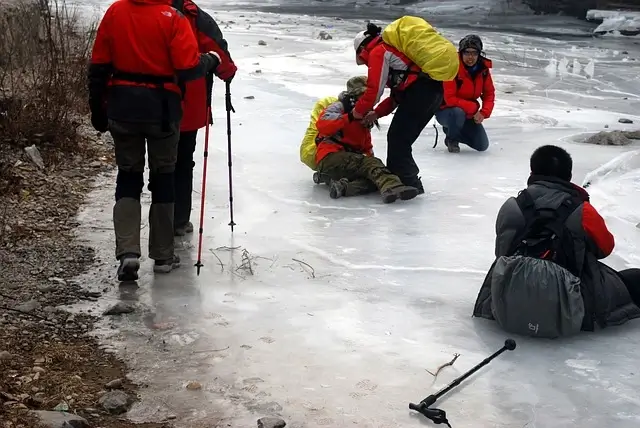
If you have been injured in an accident, no matter who is ultimately at fault, there are steps you can take before meeting with an attorney. However, it must be emphasized that these steps should not replace the advice and guidance of an attorney.
- Seek medical attention: Your health and safety should be your top priority. If you've been injured, seek medical treatment as soon as possible. This will ensure that your injuries are documented and treated promptly, which can be crucial for your recovery and any potential legal claim.
- Document the incident: Record the details of the incident while they're still fresh in your mind. This may include taking photos of the accident scene, your injuries, and any property damage, as well as gathering contact information of any witnesses. Write down everything you can remember about the circumstances surrounding the accident, including the date, time, location, and any contributing factors.
- Preserve evidence: Keep any evidence related to the incident, such as medical records, receipts for expenses incurred due to the injury, and any damaged property. This will be important when making a claim for damages.
- Report the incident: Depending on the circumstances, you may need to report the incident to appropriate authorities (e.g., the police, a property owner, your employer). Make sure to obtain a copy of any reports filed.
- Consult with an attorney: Speak with a personal injury attorney who has experience handling negligence cases. They can help you understand your legal rights and options, as well as guide you through the process of pursuing a claim. Many personal injury attorneys offer free initial consultations and work on a contingency fee basis, meaning you won't have to pay any fees unless they successfully recover compensation on your behalf.
- Follow your medical treatment plan: It's important to follow your doctor's recommendations for treatment and attend any follow-up appointments. This will not only help with your recovery but also demonstrate the seriousness of your injuries and your commitment to getting better.
- Limit communication with potentially responsible parties: Avoid discussing the details of the accident or your injuries with the person or entity you believe to be responsible for your injuries, their insurance company, or their attorney. Any statements you make could potentially be used against you. Direct any communication to your attorney, who can handle these conversations on your behalf.
- Be cautious with social media: Avoid posting about the accident or your injuries on social media, as these posts can potentially be used against you in your claim.
Remember that this is general guidance, and the specific steps you should take will depend on your individual circumstances. Always consult with a legal professional for advice tailored to your situation.